RO Membranes
Reverse osmosis membranes for high-purity water filtration in residential and industrial applications
RO Membranes are critical components in reverse osmosis systems designed to deliver ultra-pure water across residential, commercial, and industrial sectors. These membranes remove dissolved salts, heavy metals, organic contaminants, and microorganisms, making them indispensable in industries like pharmaceuticals, semiconductor manufacturing, power generation, food & beverage processing, and municipal water treatment. As global demand for clean water rises, international importers turn to Pandatrade to source high-performance RO membranes from certified manufacturers worldwide, ensuring consistent quality, durability, and compliance with international standards such as NSF/ANSI 58 and ISO 16232. Sourcing RO membranes through Pandatrade offers buyers access to a diverse range of materials—including thin-film composite (TFC), cellulose triacetate (CTA), and spiral-wound configurations—tailored to specific feed water conditions and throughput requirements. With bulk ordering options, flexible MOQs, and verified supplier credentials, importers can streamline procurement while maintaining cost efficiency and supply chain reliability. Whether upgrading existing filtration systems or scaling up production capacity, Pandatrade connects buyers with trusted global suppliers specializing in precision-engineered RO membranes for demanding environments.
Main Types & Common Specifications
Thin-Film Composite (TFC) Membranes
High-efficiency TFC membranes offer superior salt rejection and chemical resistance, ideal for industrial and municipal water treatment.
Cellulose Triacetate (CTA) Membranes
CTA membranes excel in chlorine-tolerant applications and are commonly used in pre-treated water systems with lower pH levels.
Spiral-Wound RO Membranes
Compact, high-surface-area designs that maximize flow rate and system efficiency in large-scale industrial installations.
High-Flux RO Membranes
Engineered for increased permeability and reduced energy consumption, perfect for high-volume residential and commercial systems.
Low-Pressure RO Membranes
Designed for energy-efficient operation with minimal pressure requirements, suitable for brackish water desalination.
Food-Grade RO Membranes
Certified for use in food and beverage processing, meeting strict hygiene and safety standards for potable water production.
High-Temperature RO Membranes
Built to withstand elevated temperatures, enabling reliable performance in industrial processes requiring thermal stability.
Key Purchasing Considerations
- Material compatibility with feed water chemistry (e.g., pH, chlorine content)
- Salt rejection rate and permeability specifications
- Membrane lifespan and fouling resistance
- Compliance with international standards (NSF, ISO, FDA)
- Supplier certifications and manufacturing traceability
- Customization options for size, configuration, and modular integration
Related Products

100 GPD Reverse Osmosis Membrane for Home Water Purifiers
Source high-efficiency 100 GPD reverse osmosis membranes for home water purifiers at bulk rates. Optimize cost with expert sourcing guidance on pressure, flow, and material specs.
RO Membranes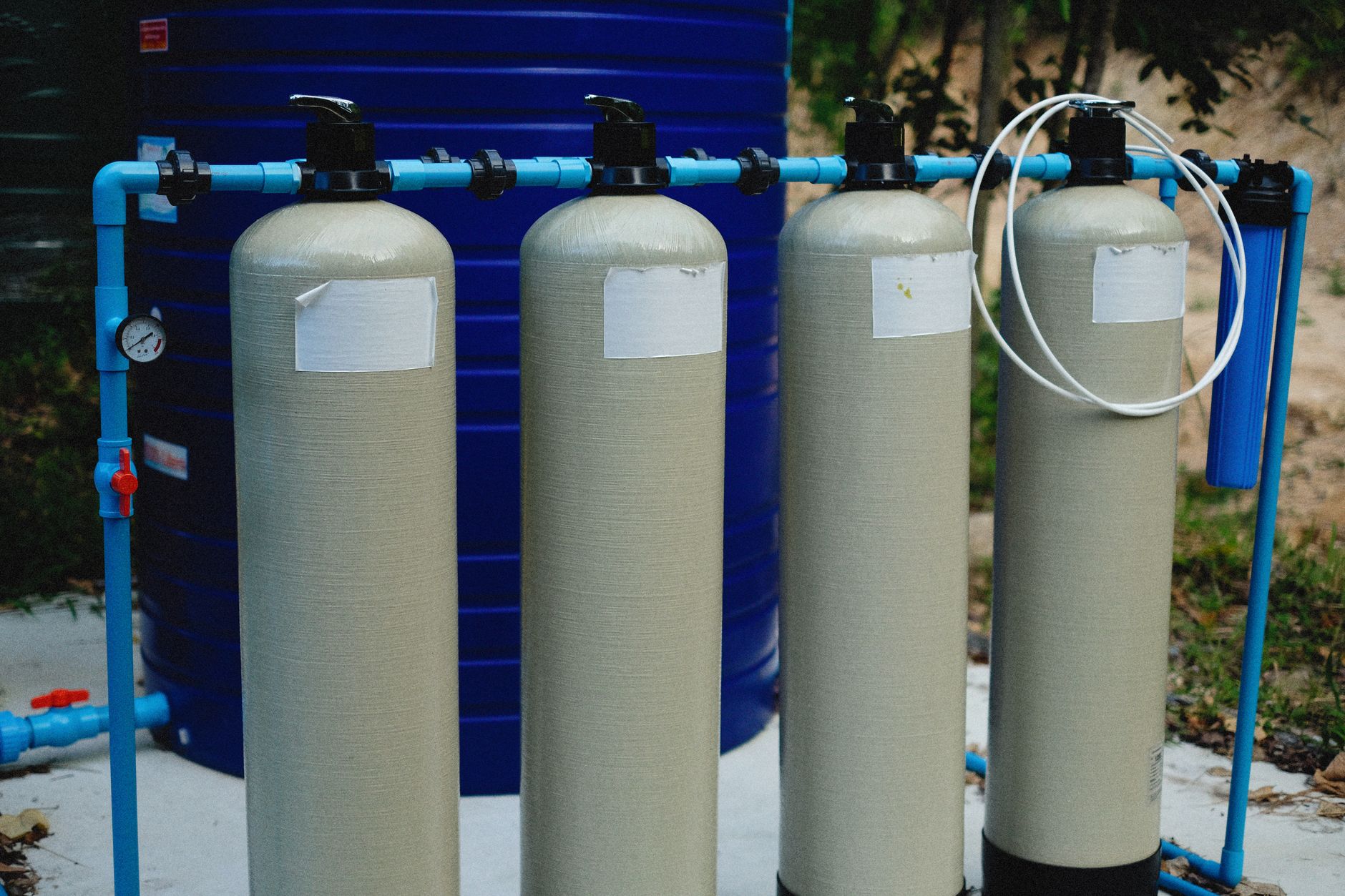
150 GPD RO Membrane for Commercial Water Systems
Certified 150 GPD RO membrane for commercial water systems. Meets NSF/ANSI 58, EU WRAS, and SGS standards. Ideal for food & beverage, healthcare, and industrial facilities requiring regulatory compliance.
RO Membranes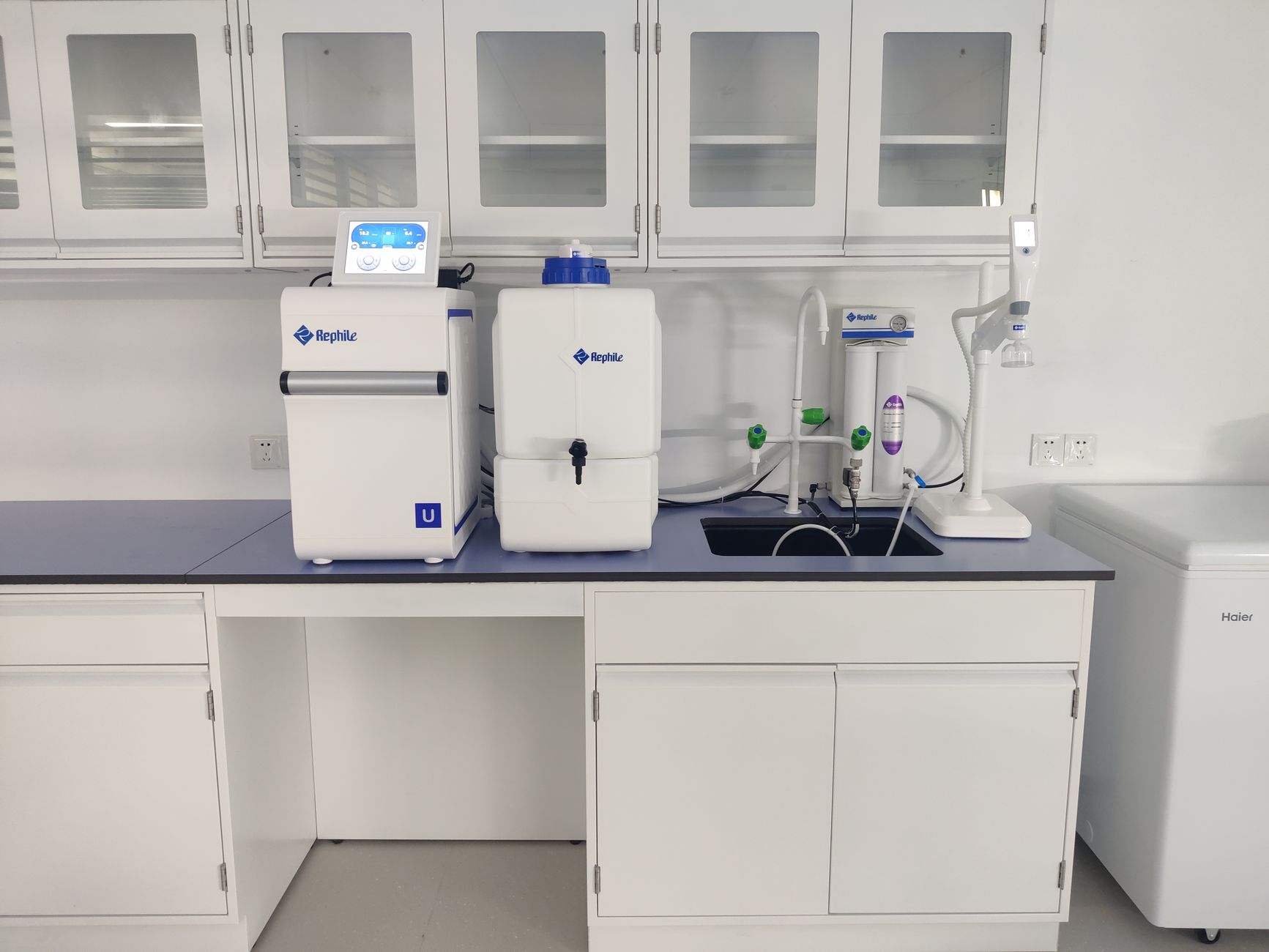
300 GPD High-Flow RO Membrane for Industrial Applications
High-efficiency 300 GPD RO membrane for industrial water treatment. Optimized for low freight costs, compact packaging, and global logistics. Ideal for food & beverage, pharmaceuticals, and manufacturing.
RO Membranes