400g Activated Carbon Block Filter for Drinking Water
Activated Carbon Filters
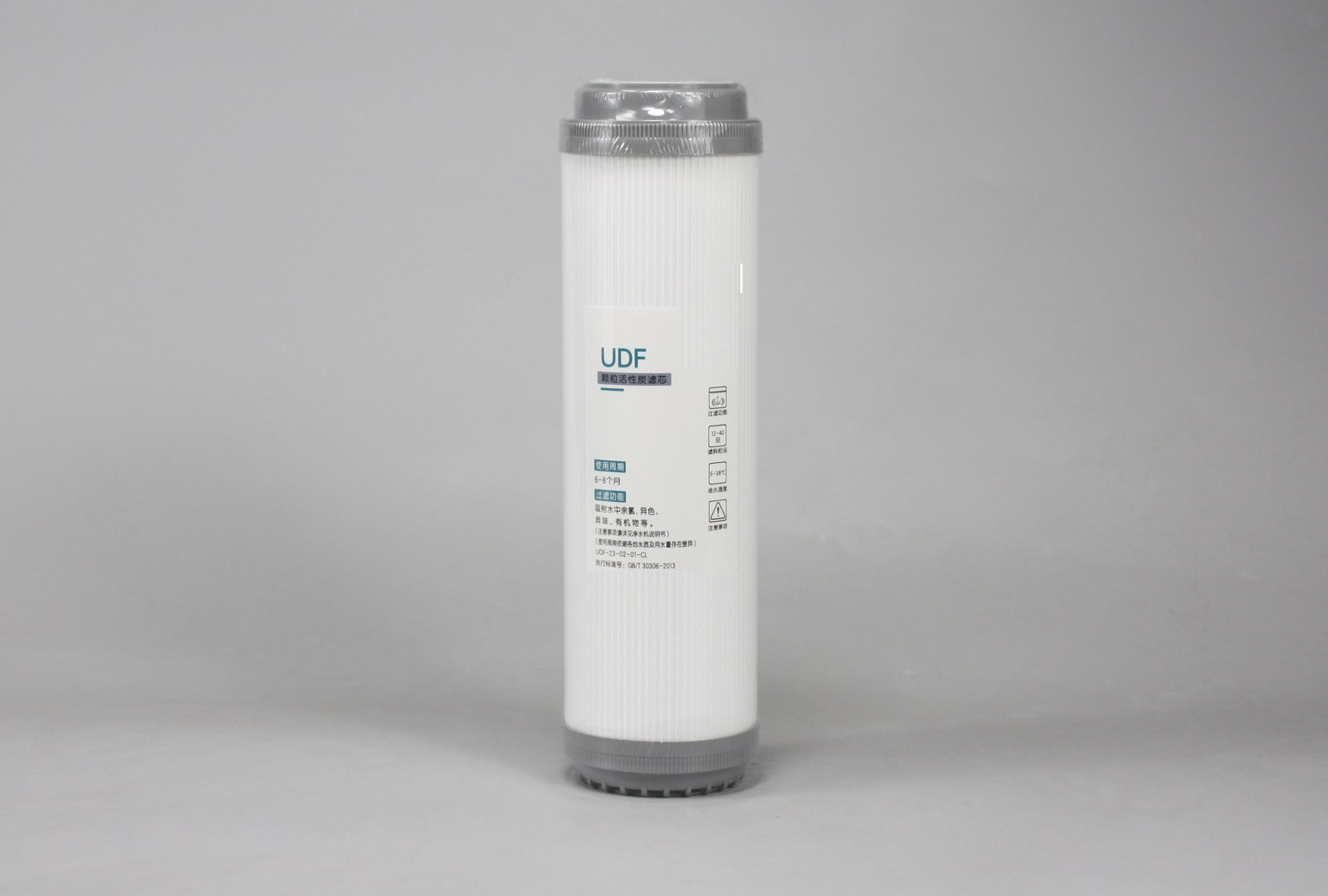
The 400g activated carbon block filter is a precision-engineered water purification component designed for residential, commercial, and industrial point-of-use systems. Manufactured from high-density coconut shell-based activated carbon, it effectively reduces chlorine, volatile organic compounds (VOCs), pesticides, and sediment while maintaining optimal flow rates. This filter is ideal for applications requiring reliable, long-term protection of drinking water quality across diverse global markets.
Main Specifications
| Filter Weight | 400g |
| Carbon Source | Coconut Shell Activated Carbon |
| Flow Rate (Max) | 15 L/min |
| Pressure Drop (at 15 L/min) | ≤ 1.5 bar |
| Operating Temperature Range | 5–40°C |
| Maximum Operating Pressure | 10 bar |
| Particle Removal Rating | ≥ 5 microns |
| Adsorption Capacity (for Chlorine) | 60–80 mg/g |
| Service Life (Typical) | 6–12 months |
| Dimensions (L x D) | 100 x 50 mm |
Core Advantages
- Verified supplier network ensures traceable raw material sourcing and consistent carbon density
- High mechanical strength prevents carbon fines shedding during operation
- Proven performance in third-party lab testing for VOC and chlorination byproduct reduction
- Optimized pore structure enhances adsorption efficiency without compromising flow
- Compliant with international filtration standards for food-grade water contact materials
Typical Application Scenarios
- Point-of-use under-sink drinking water systems in commercial kitchens and offices
- Industrial potable water treatment for beverage production lines
- Medical facility water purifiers requiring low microbial carryover
- Residential reverse osmosis pre-filters to extend RO membrane lifespan
- Aquaponics and hydroponic nutrient delivery systems where chemical purity is critical
Buying Tips for Importers
- Always confirm supplier’s ability to provide batch-specific adsorption test reports upon request
- Avoid suppliers offering 'standard' carbon blocks without specifying source material origin
- Verify that the supplier has documented compliance with NSF/ANSI 42 or equivalent water safety standards
- Inspect filter housing compatibility—ensure O-ring material and seal integrity meet food-grade requirements
- Request sample units before bulk ordering to validate flow rate and pressure drop under real operating conditions
Frequently Asked Questions
How can I verify that the activated carbon used in these filters is truly coconut shell-based?
Reputable suppliers on Pandatrade provide spectroscopic analysis or FTIR data confirming carbon feedstock origin. Request this documentation as part of your due diligence during supplier vetting.
What happens if the filter is exposed to temperatures above 40°C during storage or installation?
Exposure to prolonged high temperatures can degrade the carbon matrix and reduce adsorption capacity. Always store filters in cool, dry environments below 40°C and avoid installing near heat sources like hot water tanks.
Can this filter remove heavy metals like lead or arsenic?
This activated carbon block is not optimized for heavy metal removal. For effective lead or arsenic reduction, consider combining it with a specialized ion exchange resin or manganese dioxide media in a multi-stage system.
Why is the service life specified as 6–12 months instead of a fixed duration?
Service life depends heavily on influent water quality, total dissolved solids (TDS), and usage frequency. A filter in a high-chlorine area may reach saturation sooner than one in low-contaminant municipal supply zones.