1-Inch Polypropylene Filter Housing for PP and Carbon Filters
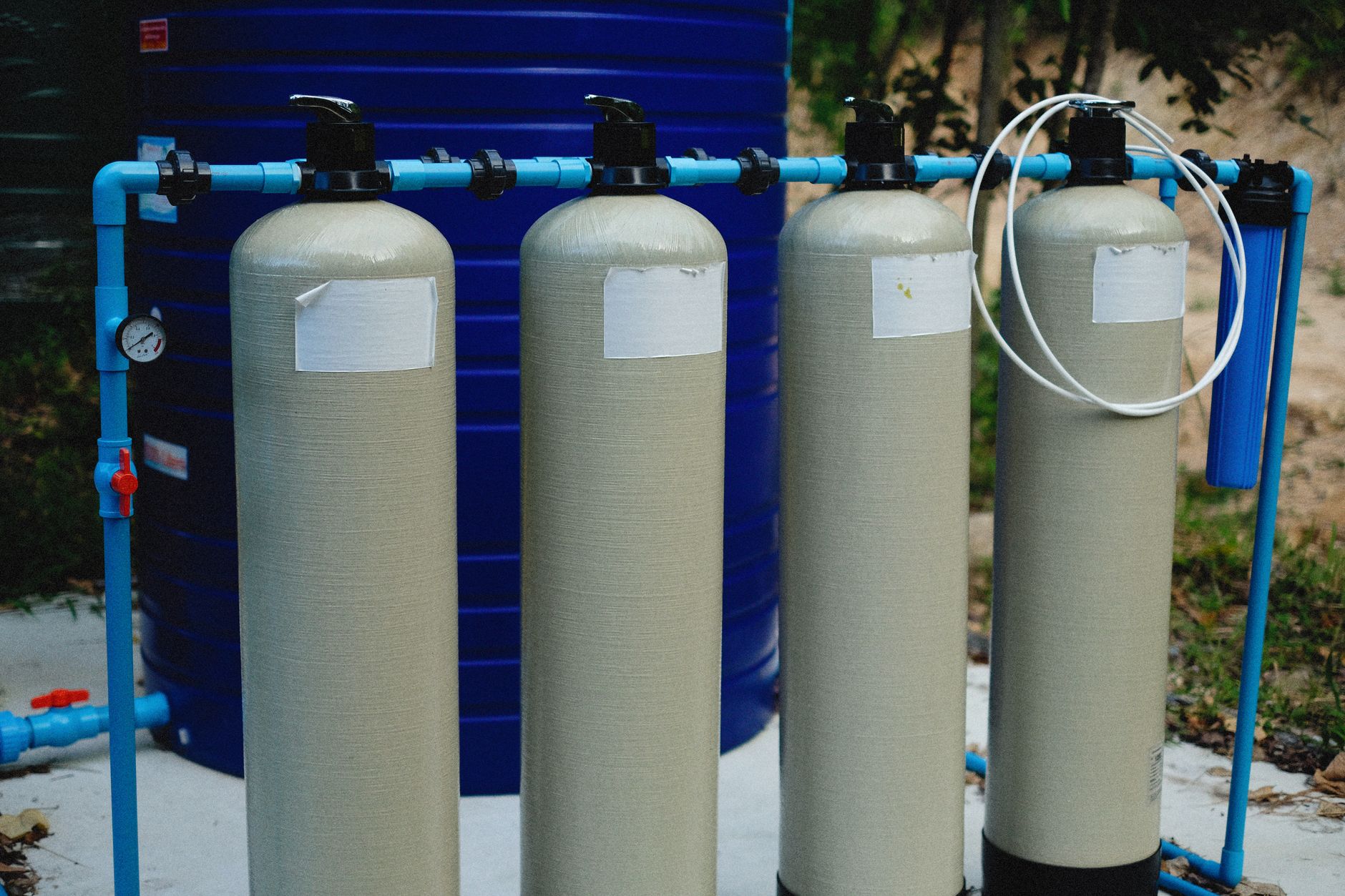
The 1-inch polypropylene filter housing is a compact, durable solution engineered for seamless integration with standard 1-inch PP and carbon filters in commercial and industrial fluid filtration systems. Constructed from high-purity, UV-stable polypropylene, it resists chemical degradation and maintains structural integrity under continuous operation. Its precision-molded design ensures tight seals and minimal pressure drop, enhancing filtration efficiency across diverse process streams. This housing supports flow rates up to 30 GPM (gallons per minute) at operating pressures of 150 PSI, making it suitable for demanding applications such as reverse osmosis pre-filtration, beverage processing, and laboratory-grade purification. Designed with a quick-access end cap and O-ring sealing system, it enables rapid maintenance cycles without compromising system integrity or introducing contamination risks.
Main Specifications
| Nominal Size | 1 inch |
| Material | Food-Grade Polypropylene (PP) |
| Operating Pressure | 150 PSI max |
| Maximum Temperature | 180°F (82°C) |
| Flow Rate Capacity | 30 GPM (113 L/min) |
| Seal Type | EPDM O-Ring (FDA-compliant) |
| Connection Type | 3/4" NPT Female Thread |
| Housing Dimensions | 4.7" Height x 2.5" Diameter |
| Weight | 1.2 lbs (0.54 kg) |
| Compliance | NSF/ANSI 61, FDA 21 CFR 177.2600 |
Core Advantages
- High chemical resistance to acids, bases, and solvents common in industrial cleaning and process fluids
- Low particle shedding due to virgin polypropylene construction, minimizing secondary contamination
- Optimized internal geometry reduces turbulence and pressure drop, extending filter life
- Quick-disconnect design enables fast filter changes during routine maintenance or production shifts
- UV-stabilized material prevents brittleness and cracking in outdoor or high-light exposure installations
Typical Application Scenarios
- Pre-filtration for reverse osmosis and ultrafiltration systems in water treatment plants
- Pharmaceutical manufacturing where trace contamination must be eliminated
- Beverage and brewing industries requiring consistent clarity and taste control
- Food processing facilities handling dairy, fruit juices, or syrups with strict hygiene standards
- Laboratory and research environments needing sterile, low-leach filtration for sensitive samples
Buying Tips for Importers
- Verify the O-ring material compatibility with your process fluid—EPDM works well for most aqueous solutions but avoid in strong hydrocarbons
- Confirm that the housing’s maximum temperature rating exceeds your process fluid’s peak operating temp to prevent deformation
- Ensure thread size matches existing piping; 3/4" NPT female is standard, but confirm adapter needs if using metric fittings
- Avoid mixing different grades of polypropylene housings in a single system—consistency prevents differential thermal expansion issues
- Check whether the housing has been tested under actual pressure cycling conditions; some suppliers list theoretical ratings without real-world validation